Grow Your Own Hydrangeas From Seed
Grow Your Own Hydrangeas From Seed
Hydrangeas are beautiful flowering shrubs that can add a touch of elegance to any garden. They come in a variety of colors, including blue, pink, purple, and white. And, they're relatively easy to grow from seed.
If you're interested in growing your own hydrangeas from seed, here's a step-by-step guide:
- Collect the seeds. The best time to collect hydrangea seeds is in the fall, after the flowers have finished blooming. To collect the seeds, simply wait until the flower heads have turned brown and dry. Then, gently shake the flower heads over a piece of paper or a container. The seeds will fall out and you can collect them.
- Stratify the seeds. Hydrangea seeds need a period of cold stratification in order to germinate. To stratify the seeds, simply place them in a sealed container with some moist peat moss or vermiculite. Then, place the container in the refrigerator for 6-8 weeks.
- Plant the seeds. Once the seeds have been stratified, you can plant them in a seed tray or pot filled with well-draining potting mix. Gently press the seeds into the soil, but do not bury them. Water the soil well and place the seed tray or pot in a warm, sunny spot.
- Germination. Hydrangea seeds typically germinate in 2-4 weeks. Once the seedlings have emerged, thin them so that there is one plant per pot or cell. Continue to water the seedlings regularly and keep them in a warm, sunny spot.
- Transplant the seedlings. Once the seedlings have developed their second set of true leaves, you can transplant them to individual pots or your garden. When transplanting, be careful not to disturb the roots. Water the transplanted plants well and keep them in a shady spot for a few days.
- Care for your hydrangeas. Once your hydrangeas are established, they are relatively easy to care for. Water them regularly, especially during hot, dry weather. Fertilize them once a month during the growing season. And, prune them in the spring to remove dead or damaged branches.
With a little patience and care, you can easily grow your own hydrangeas from seed. And, once they're mature, they will reward you with beautiful flowers for many years to come.
[MAIN CONTENT]
Here are some additional tips for growing hydrangeas from seed:
- Use a well-draining potting mix. Hydrangeas don't like wet feet, so it's important to use a potting mix that drains well.
- Keep the soil moist, but not soggy. Hydrangeas need regular water, but they don't like to be overwatered.
- Provide plenty of sunlight. Hydrangeas need at least 6 hours of sunlight per day.
- Fertilize regularly. Hydrangeas appreciate a monthly dose of fertilizer during the growing season.
- Protect from frost. Hydrangeas are hardy in USDA zones 3-8, but they may need some protection from frost in colder climates.
Here are some common problems that you may encounter when growing hydrangeas from seed:
- Seedlings may not germinate. If the seeds do not germinate, it may be because they were not stratified properly.
- Seedlings may not survive. Seedlings may be susceptible to pests and diseases.
- Plants may not bloom. Hydrangeas may not bloom if they are not getting enough sunlight or if they are not being fertilized properly.
[CONCLUSION]
Growing hydrangeas from seed can be a rewarding experience. However, it's important to be patient and to follow the tips above to ensure success. With a little care, you'll be enjoying beautiful hydrangea flowers in no time.
Hydrangeas are beautiful flowers that can add a touch of elegance to any garden. If you're looking to grow hydrangeas from seed, is a great place to start. They offer a wide variety of hydrangea seeds, including both classic and rare varieties.
In addition to their wide selection of seeds, also offers helpful information on how to start hydrangeas from seed. Their blog posts and instructional videos can teach you everything you need to know about germination, planting, and caring for your hydrangeas.
So if you're ready to start growing hydrangeas from seed, be sure to visit . They have everything you need to get started, and their friendly customer service team is always happy to help.
FAQ of hydrangea seeds online
Q: When is the best time to start hydrangea seeds indoors?
A: The best time to start hydrangea seeds indoors is 6-8 weeks before your last frost date. This will give the seedlings enough time to germinate and grow before being transplanted outdoors.
Q: What type of soil do hydrangea seeds need?
A: Hydrangea seeds need a well-draining, loamy soil that is slightly acidic. You can add peat moss or compost to your soil to improve drainage and acidity.
Q: How much sunlight do hydrangea seeds need?
A: Hydrangea seeds need bright, indirect sunlight. Too much direct sunlight can scorch the seedlings.
Q: How often should I water hydrangea seeds?
A: Keep the soil moist, but not soggy. Water the seedlings when the top inch of soil is dry.
Q: What are some common problems with growing hydrangea seeds?
A: Some common problems with growing hydrangea seeds include:
- Seeds not germinating: This can be caused by a number of factors, including using old seeds, poor soil conditions, or not providing enough moisture.
- Seedlings dying: This can be caused by overwatering, underwatering, too much sunlight, or pests and diseases.
- Flowers not blooming: This can be caused by a number of factors, including not providing enough sunlight, fertilizing too much, or not having the correct soil pH.
Image of hydrangea seeds online
5 different images of "hydrangea seeds online" from Pinterest:
- Hydrangea macrophylla seeds

These seeds are from the most common type of hydrangea, and they come in a variety of colors, including blue, pink, and white.
- Hydrangea paniculata seeds
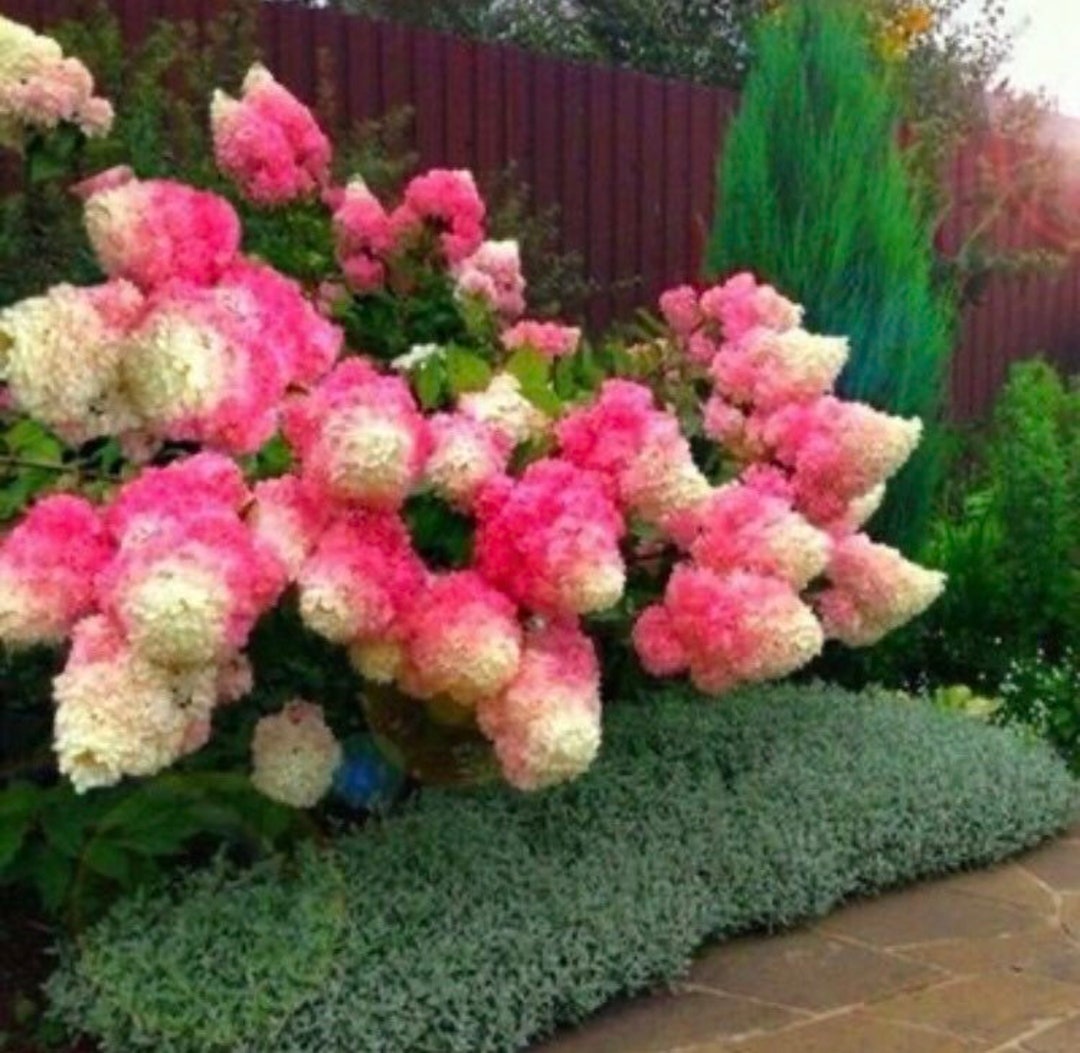
These seeds are from a type of hydrangea that produces large, cone-shaped flowers. They are typically white or pink, but they can also be blue.
- Hydrangea serrata seeds

These seeds are from a type of hydrangea that produces small, bell-shaped flowers. They are typically blue or white, but they can also be pink.
- Hydrangea quercifolia seeds
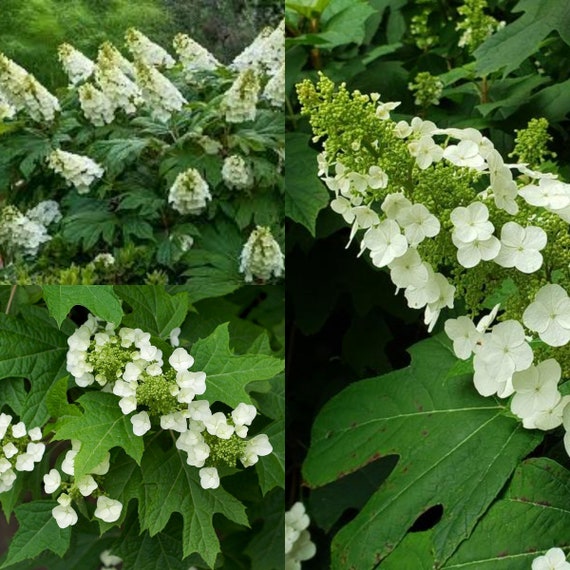
These seeds are from a type of hydrangea that produces large, oak-leaved flowers. They are typically blue or white, but they can also be pink.
- Hydrangea involucrata seeds

These seeds are from a type of hydrangea that produces large, lacecap flowers. They are typically blue or white, but they can also be pink.

Post a Comment for "Grow Your Own Hydrangeas From Seed"